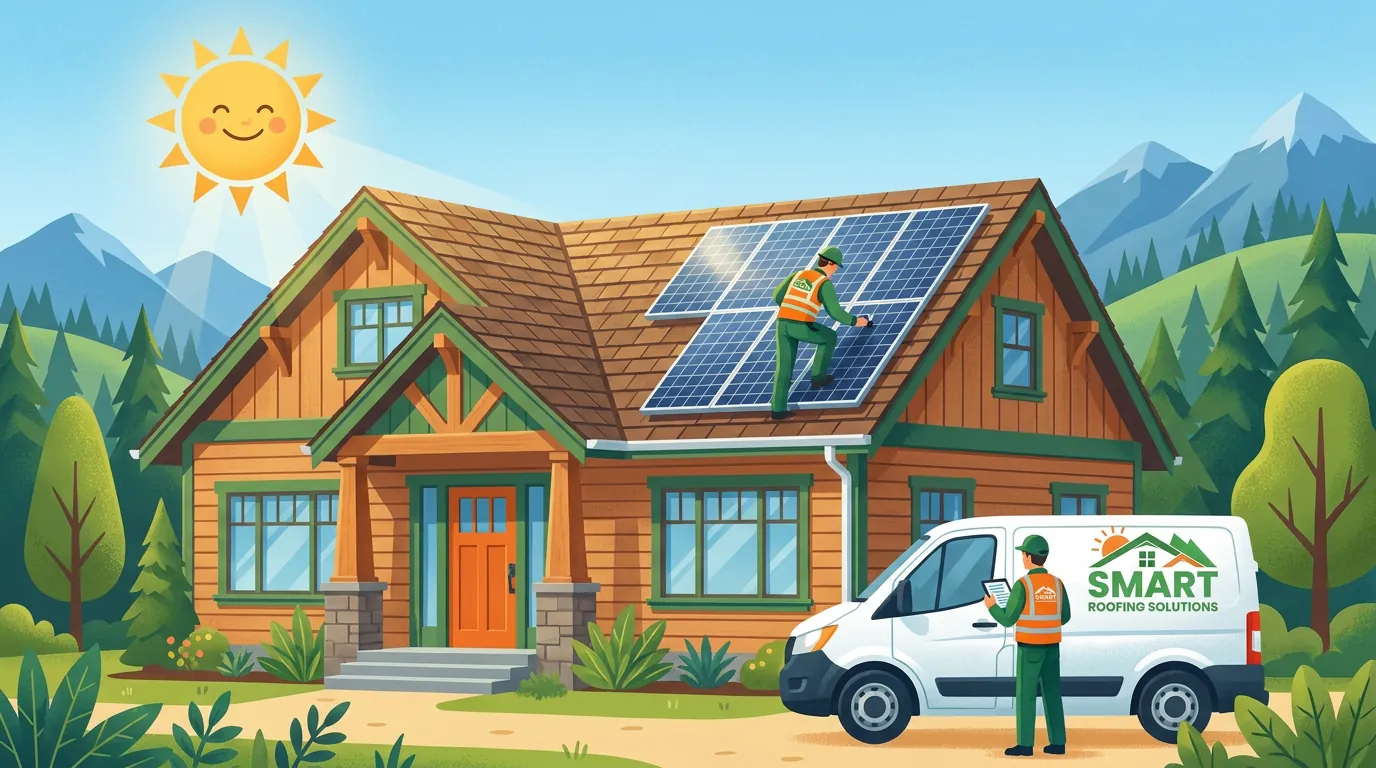
Solar panels are an increasingly popular addition to Metro Vancouver homes, and summer is when many homeowners start planning an installation. But solar panels are only as reliable as the roof they sit on. Panels are designed to last 25 years or more, so putting them on a roof that is near the end of its life sets you up for an expensive headache down the road. Before you commit to solar, it is worth making sure the roof underneath is ready to carry it.
Here is what to check and think through before the panels go up.
Check Your Roof's Age and Condition First
This is the single most important step. If your roof is more than 10 to 15 years old, have it assessed before installing solar. The reason is simple: if the roof needs replacing in a few years, the panels have to be removed and reinstalled to do the work, which adds significant cost to what should have been a straightforward reroof.
The ideal sequence is to put solar on a roof that is either new or has plenty of life left. A roof inspection before installation tells you exactly how much life remains and whether you should reroof first. It is a small step that prevents a costly mismatch between the lifespan of the panels and the roof.
How Roof Material Affects Solar
Not every roof handles solar the same way:
- Asphalt shingles are the most common and the most straightforward for solar mounting. The hardware is well established and installs cleanly
- Metal roofing pairs very well with solar, often allowing clamp-on mounting with fewer penetrations, and its long life matches the panels nicely
- Cedar shake and tile are more complex and may require specialized mounting, so it is worth involving your roofer early
If you are choosing a new roof and know solar is in your future, mention it during the roof replacement planning so the material and layout suit the panels.
What Happens to Your Roof During Installation
Most solar mounting systems attach to the roof with brackets fastened through the shingles into the rafters or decking below. Each of those attachment points is a penetration through your roof's water barrier. Done correctly, with proper flashing and sealing at every bracket, these penetrations stay watertight for the life of the system. Done poorly, they become leak points.
This is why the quality of the installation matters so much, and why it helps to have a roofer and a solar installer who communicate. The roof is your home's first line of defense against our wet climate, and every hole through it needs to be sealed properly.
Warranty and Penetration Concerns
Two warranty issues are worth understanding before you sign anything:
- Roof warranty - improper solar installation can affect your roofing warranty. Using installers who flash and seal penetrations correctly protects that coverage
- Workmanship coverage - ask who is responsible if a leak develops at a mounting point after installation, the solar company or the roofer
Clarifying this up front avoids finger-pointing later if a problem appears at a bracket.
Timing: Reroof Before You Go Solar
If your assessment shows the roof has only a handful of years left, replacing it before installing solar is almost always the smarter move. You avoid paying twice to remove and reinstall the panels, you start the solar system on a fresh, sound roof, and you get to choose a roof material and colour that work well with the panels. Summer, with its dry weather, is the ideal time to do that reroof so everything is ready before the panels are scheduled.
Will Panels Affect My Roof's Temperature?
A common question is whether panels cook the roof underneath. In practice, the opposite tends to happen. The panels sit slightly above the roof surface and shade it from direct sun, while air moving through the gap helps carry heat away. The shaded area generally runs cooler than exposed roofing, which can be a modest bonus for the rooms below in summer. It is not a reason to install solar on its own, but it is a small side benefit rather than a drawback.
Check Strata and Permit Requirements
Before booking an installation, confirm the approvals you need. Solar installations typically require an electrical permit, which your installer usually handles. If you live in a strata or a neighbourhood with architectural guidelines, check whether panel placement needs approval before work begins. Sorting this out early avoids delays after you have already scheduled the roof and electrical work, and it keeps the project on the smooth summer timeline you are aiming for.
Maintenance With Panels Installed
Once panels are up, a few things change about caring for your roof. The area under and around the panels is harder to inspect and clean, so it is wise to have the roof checked before installation and to keep gutters clear so debris does not back up under the array. Panels themselves shed rain well, but leaves and needles can still collect at their edges. If a repair is ever needed under a panel, it will require removing that section, so keeping the rest of the roof in good shape with regular roof maintenance reduces the chance of needing to disturb the array.
Working With Your Roofer and Installer
The smoothest solar projects happen when the roofing and solar sides are coordinated rather than treated as separate jobs. Before you book an installation, have your roof's condition confirmed, address any needed roof repair first, and make sure whoever mounts the panels understands proper flashing for our climate. A little coordination up front protects both the panels and the roof for decades.
Get Your Roof Solar-Ready
Solar is a sound long-term investment, but it depends on a roof that can go the distance with it. Confirming your roof's condition, and reroofing first if needed, is the step that keeps your solar system trouble-free for its full lifespan. If you are planning solar and want to know whether your roof is ready, call us at 778-238-3280 or request a quote.
Frequently Asked Questions
Should I replace my roof before installing solar panels?
Do solar panels damage your roof?
What roof material is best for solar?
Will installing solar void my roof warranty?
How do I maintain a roof with solar panels on it?
Need Professional Help?
Contact Smart Roofing Solutions for a free consultation and estimate.